
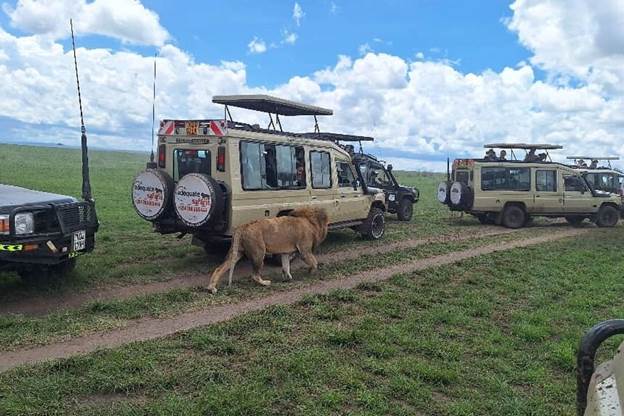
East Africa is home to some of the world’s most spectacular safari destinations, offering travellers the opportunity to experience incredible wildlife, dramatic landscapes and authentic African cultures. Among the destinations that frequently attract safari enthusiasts are Amboseli National Park in Kenya and Serengeti National Park in Tanzania. While both destinations provide unforgettable wildlife experiences, each has its own unique attractions, landscapes and safari experiences.
Choosing between Amboseli and Serengeti can therefore be challenging, particularly for first-time safari travellers. Amboseli is famous for its large elephant herds and spectacular views of Mount Kilimanjaro, while the Serengeti is celebrated for its vast savannah plains, abundant wildlife and the famous Great Wildebeest Migration.
Whether you are planning a short Kenya safari, a family holiday, a photography adventure or a longer East African safari, understanding what makes these destinations different can help you choose the experience that best matches your interests.
Understanding Amboseli National Park
Amboseli National Park is one of Kenya’s most famous safari destinations and is located in southern Kenya near the Tanzania border. The park is particularly well known for its breathtaking views of Mount Kilimanjaro, Africa’s highest mountain, which rises dramatically across the border in Tanzania.
The combination of wildlife and mountain scenery makes Amboseli one of the most photographed safari destinations in Africa. On a clear morning, visitors can watch elephants crossing the open plains with the snow-capped summit of Mount Kilimanjaro providing an impressive backdrop.
One of the biggest reasons travellers choose Amboseli is its elephant population. Large herds are frequently seen moving across the park, particularly around areas where water and vegetation are available. These encounters provide excellent opportunities for wildlife photography and observation.
Amboseli is not only about elephants. Visitors can also encounter lions, cheetahs, leopards, buffaloes, giraffes, zebras, wildebeest, hyenas, hippos and numerous species of birds. The park’s wetlands and seasonal water sources attract wildlife throughout the year.
Another advantage of Amboseli is its relatively compact size. Travellers can enjoy rewarding game drives without spending excessive amounts of time travelling between distant areas of the park. This makes it particularly suitable for visitors who have limited time but still want an authentic Kenyan safari.
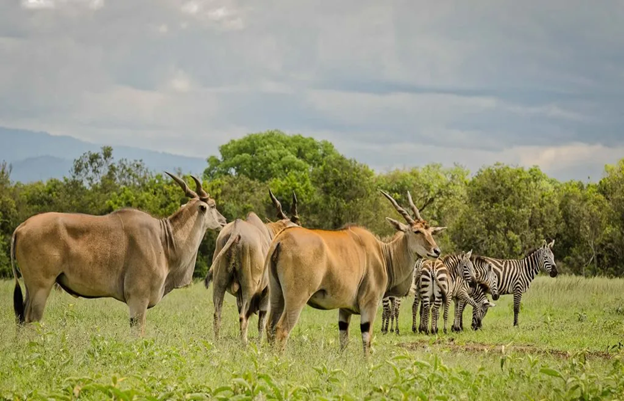
What Makes Serengeti National Park Special?
Serengeti National Park is located in northern Tanzania and is one of Africa’s most famous wildlife destinations. The park forms part of the larger Serengeti-Mara ecosystem, which extends across the Tanzania-Kenya border.
The Serengeti is famous for its seemingly endless grasslands, abundant wildlife and the Great Wildebeest Migration. Every year, millions of wildebeest, accompanied by large numbers of zebras and gazelles, move through the ecosystem in search of fresh grazing and water.
The migration is one of the greatest wildlife spectacles on Earth. Depending on the time of year, travellers may witness massive herds gathering on the plains, the dramatic calving season or intense predator activity.
The Serengeti is also an excellent year-round wildlife destination. Even outside the migration period, visitors can encounter large populations of lions, cheetahs, leopards, elephants, giraffes, buffaloes, hippos, zebras and numerous other animals.
One of the Serengeti’s greatest advantages is its size. Its enormous landscapes provide travellers with a genuine sense of wilderness. Spending several days exploring different areas of the park allows visitors to experience changing landscapes and wildlife encounters.
Amboseli vs Serengeti: What Is the Difference?
Although Amboseli and Serengeti are both outstanding safari destinations, the experience they provide is different.
Amboseli is particularly appealing to travellers who want spectacular mountain scenery, elephants and a relatively accessible safari experience. Its location makes it possible to include the park in a shorter Kenya itinerary, particularly for travellers starting their journey in Nairobi.
Serengeti is better suited to travellers who want a longer and more immersive wildlife experience. The enormous size of the park and its location within the wider Serengeti-Mara ecosystem make it an excellent choice for travellers interested in predators, large herds and the Great Migration.
For travellers interested primarily in photography, Amboseli offers the extraordinary combination of elephants and Mount Kilimanjaro. The Serengeti, on the other hand, offers opportunities to photograph large wildlife concentrations, predators and dramatic animal behaviour.
Wildlife Experience in Amboseli
Wildlife viewing is one of the highlights of an Amboseli safari. The park’s elephants are its biggest attraction, and travellers can often see large herds moving through the landscape.
The park also supports several other iconic African species. Lions can sometimes be seen resting in the shade or moving through the grasslands in search of prey. Cheetahs may be spotted in open areas where they can use their speed to hunt.
Giraffes, zebras, wildebeest and buffaloes are also commonly associated with the Amboseli ecosystem. Hippos can be observed around suitable water sources, while birdwatchers can enjoy a wide variety of resident and migratory bird species.
The changing conditions of the Amboseli landscape also add variety to game drives. Dry areas can contrast dramatically with green wetlands, creating different wildlife-viewing opportunities within the same safari.
Wildlife Experience in the Serengeti
The Serengeti offers one of the richest wildlife experiences in Africa. Its extensive grasslands support large populations of herbivores and predators.
Lions are among the most frequently sought-after animals in the park, while cheetahs and leopards provide exciting sightings for travellers interested in big cats. Leopards can be more elusive because they often rest in trees or dense vegetation.
The large numbers of wildebeest and zebras provide another major attraction. During certain periods of the migration, enormous herds can be seen covering the plains.
The presence of abundant prey also supports an impressive predator population. Lions, cheetahs, hyenas and other predators take advantage of the seasonal movements of herbivores, creating opportunities to observe natural behaviour.
For travellers who want a safari centred around wildlife diversity and predator encounters, the Serengeti is difficult to beat.
The Great Wildebeest Migration
The Great Wildebeest Migration is one of the biggest reasons travellers choose the Serengeti. The migration involves the movement of vast numbers of wildebeest, zebras and gazelles across the Serengeti-Mara ecosystem.
However, it is important to understand that the migration is not a single event that happens on one specific date. The animals move continuously throughout the year according to rainfall, grazing conditions and water availability.
Different months provide different experiences. The calving season can offer opportunities to see newborn animals and increased predator activity. Later in the year, some travellers hope to witness dramatic river crossings as herds move towards areas with fresh grazing.
Because nature is unpredictable, migration sightings cannot be guaranteed. This is part of what makes a safari exciting: wildlife follows its own rhythms rather than a fixed tourist schedule.
Amboseli for Photography
Amboseli is a dream destination for wildlife photographers. Its most famous photographic opportunity is the combination of elephants and Mount Kilimanjaro.
Early mornings can be particularly rewarding because the mountain may be clearer before clouds develop later in the day. Photographers can capture silhouettes, wildlife portraits and wide landscape images featuring the mountain.
The open nature of many areas also provides opportunities to photograph animals against relatively uncluttered backgrounds.
For travellers who want to return home with iconic African landscape photographs, Amboseli is an excellent choice.
Serengeti for Photography
The Serengeti provides a different type of photographic experience. Its open plains allow photographers to capture wildlife against expansive landscapes.
Predator photography is particularly exciting. Lions resting together, cheetahs scanning the plains and leopards moving through their surroundings can provide memorable images.
During migration periods, the sheer number of animals creates opportunities for dramatic wide-angle photographs. Individual wildlife portraits can also be captured as animals move across the plains.
The Serengeti is particularly suitable for photographers who want variety and are prepared to spend several days exploring different areas.
Which Destination Is Better for Families?
Families should consider travel time, safari duration and the ages of their children when choosing between Amboseli and Serengeti.
Amboseli can be an excellent option for families because it works well for shorter safari itineraries. Travellers can enjoy game drives and wildlife experiences without necessarily committing to a very long safari.
The park’s elephants are also a major attraction for children. Seeing large herds in their natural environment can turn a family holiday into an educational and memorable experience.
Serengeti can be ideal for families with more time available. A longer safari allows children and adults to experience a wider range of landscapes and wildlife.
Parents should consider their children’s tolerance for long road journeys and extended game drives when designing either itinerary.
Which Safari Is Better for First-Time Visitors?
For first-time safari travellers staying in Kenya, Amboseli is an excellent introduction to the African safari experience. Its combination of wildlife, dramatic scenery and accessibility makes it easy to include in a wider Kenya itinerary.
Travellers can also combine Amboseli with destinations such as the Maasai Mara, Lake Nakuru, Ol Pejeta or Lake Naivasha to create a more comprehensive Kenya safari.
The Serengeti is particularly attractive to travellers who already know that they want a more extensive wildlife-focused adventure. It is also an excellent destination for travellers specifically interested in the Great Migration.
Rather than asking which park is universally better, travellers should ask which destination provides the type of experience they want.
Can You Visit Amboseli and Serengeti on the Same Trip?
Yes. Travellers with enough time can combine Kenya and Tanzania in one East African safari.
A combined itinerary can begin in Nairobi before travelling to Amboseli. From there, the journey can continue into Tanzania, potentially including destinations such as Arusha, Tarangire, Ngorongoro and Serengeti.
This type of itinerary allows travellers to experience different ecosystems and wildlife environments within the same holiday.
A Kenya-Tanzania safari can also be customised according to the traveller’s interests. Someone interested in elephants and photography may spend more time in Amboseli, while someone interested in predators and migration may dedicate additional days to the Serengeti.
How Many Days Do You Need?
The ideal safari duration depends on the destinations included and how much time you have available.
For Amboseli, two to four days can provide a satisfying experience. A short itinerary can include several game drives while still allowing travellers time to enjoy their accommodation and the surrounding scenery.
For Serengeti, spending at least three to four days in the wider area can provide a more rewarding experience. Travellers interested in exploring multiple regions or following the migration may benefit from a longer itinerary.
If combining Kenya and Tanzania, seven to fourteen days can provide considerably more flexibility.
The key is to avoid trying to fit too many destinations into too few days. A slower itinerary often provides a better safari experience because there is more time for wildlife viewing and relaxation.
When Is the Best Time to Go?
There is no single perfect month for every safari traveller.
Amboseli can be visited throughout the year, although wildlife concentrations and landscape conditions vary with rainfall. The dry seasons are often attractive for wildlife viewing because animals may gather around remaining water sources.
The Serengeti can also be visited year-round. However, travellers hoping to experience particular stages of the Great Migration should plan according to the seasonal movement of the herds.
Weather patterns can vary, and wildlife behaviour is naturally unpredictable. It is therefore better to plan around the type of experience you want rather than relying entirely on a specific date.
What Type of Accommodation Should You Choose?
Both Amboseli and Serengeti offer a variety of accommodation options, ranging from comfortable lodges to luxury tented camps.
Budget-conscious travellers can look for simple but comfortable accommodation outside or near the parks. Mid-range travellers can choose lodges and camps offering comfortable rooms, good meals and convenient access to game-drive areas.
Luxury travellers can select high-end tented camps and lodges that provide spacious accommodation, premium dining and personalised safari experiences.
When selecting accommodation, consider its location as well as its facilities. A property that is conveniently positioned for game drives can make a significant difference to your overall safari experience.
How Much Does a Safari Cost?
Safari prices vary considerably depending on the destination, accommodation category, number of travellers, season, transportation and activities included.
A budget safari generally uses simpler accommodation and shared transportation, while mid-range safaris provide greater comfort and private or smaller-group experiences. Luxury safaris typically include premium accommodation, private vehicles, personalised services and additional experiences.
Park fees, transportation, accommodation, meals, guide services and activities can all influence the final cost.
Instead of choosing a safari based solely on the lowest price, travellers should compare what is included in the package. A slightly more expensive safari may provide better accommodation, transportation and game-viewing opportunities.
Choosing Between Amboseli and Serengeti
Choose Amboseli if you:
- Want to see large elephant herds.
- Dream of photographing Mount Kilimanjaro.
- Are looking for a shorter Kenya safari.
- Are starting your trip from Nairobi.
- Want to combine wildlife with spectacular mountain scenery.
- Prefer a relatively compact safari destination.
Choose Serengeti if you:
- Want to explore vast African savannahs.
- Are interested in the Great Wildebeest Migration.
- Want excellent opportunities to see predators.
- Have several days available for your safari.
- Want an extensive wildlife-focused experience.
- Are planning a Tanzania or Kenya-Tanzania safari.
Why Not Experience Both?
For travellers who cannot decide between the two, experiencing both may be the perfect solution.
Amboseli and Serengeti showcase different sides of East Africa. Amboseli offers the unforgettable image of elephants moving beneath Mount Kilimanjaro, while Serengeti delivers vast wilderness, incredible predator encounters and the possibility of experiencing the Great Migration.
A combined Kenya and Tanzania itinerary can therefore provide a more diverse safari experience than visiting either destination alone.
Plan Your Perfect East African Safari
Choosing the perfect safari is ultimately about matching the destination to your interests, available time and budget.
Amboseli is an outstanding choice for travellers seeking elephants, dramatic scenery and a convenient Kenya safari experience. Serengeti is ideal for those looking for expansive wilderness, exceptional wildlife and the possibility of witnessing one of nature’s greatest spectacles.
There is no wrong choice. Whether you spend a few days watching elephants beneath Mount Kilimanjaro or several days exploring the vast plains of the Serengeti, an East African safari promises experiences that can stay with you for a lifetime.
For the ultimate adventure, consider combining Amboseli, Maasai Mara and other Kenyan destinations with the Serengeti and northern Tanzania. This allows you to experience the remarkable diversity of East Africa while creating a safari itinerary tailored specifically to your travel goals.
