
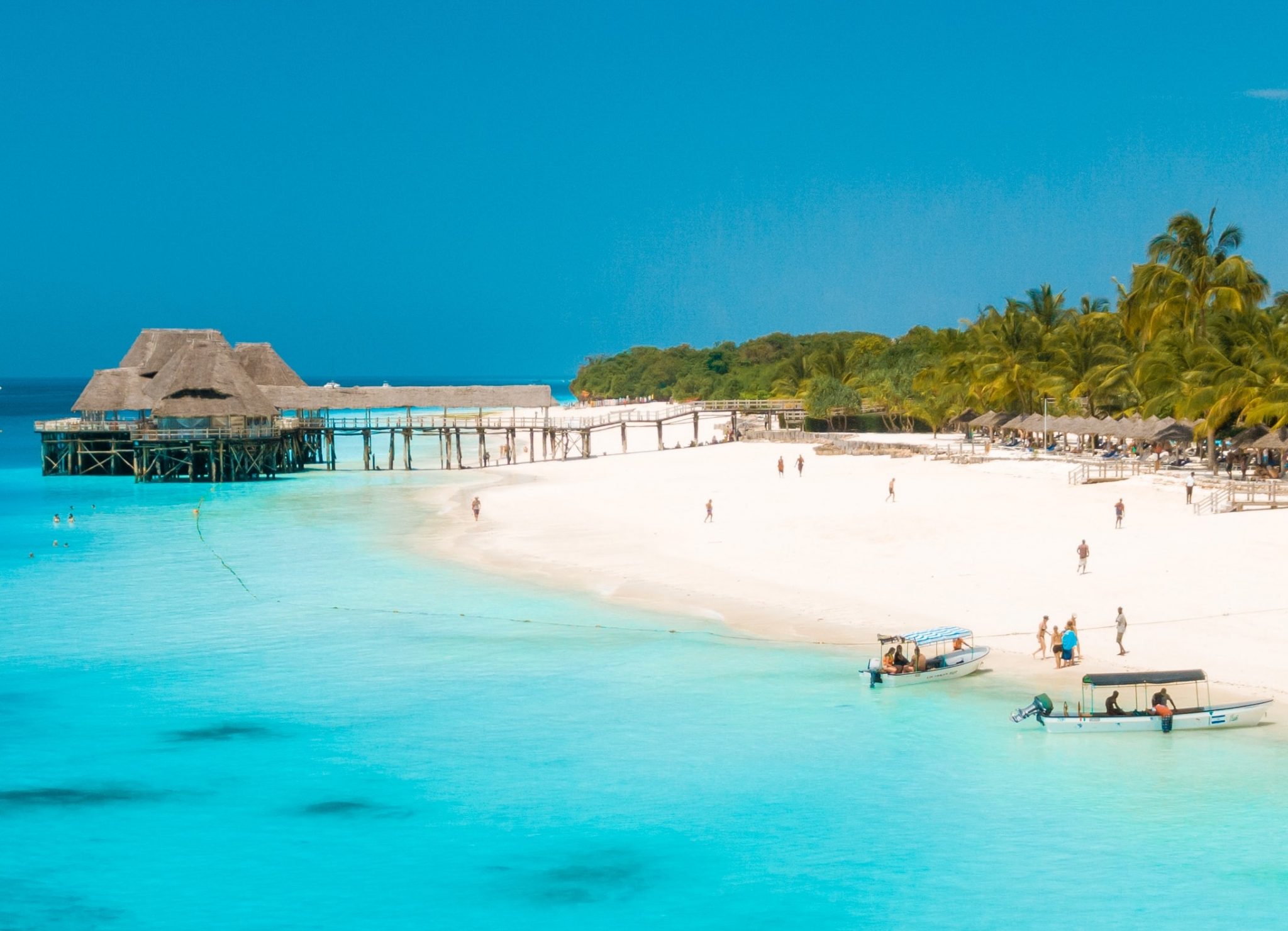
Mombasa is Kenya’s coastal jewel a city where centuries of Swahili, Arab, Portuguese, and British history sit alongside white-sand beaches, warm turquoise water, and enough wildlife and adventure to keep kids of every age entertained. It’s a compact destination, too: most of the attractions below sit within a 20-40 minute drive of each other along the North Coast (Nyali, Bamburi) or in the city center (Old Town, the harbor), which makes it realistic to build a genuinely full week without long transfer days.
This guide draws on current, verifiable details- opening hours, entrance fees, and practical logistics cross-checked across official park information and recent visitor reports so you can plan with confidence. Prices in Mombasa do shift with fuel costs and seasonal demand, so treat the figures below as a reliable planning baseline and confirm exact rates when you book.
1. Explore Fort Jesus and Old Town
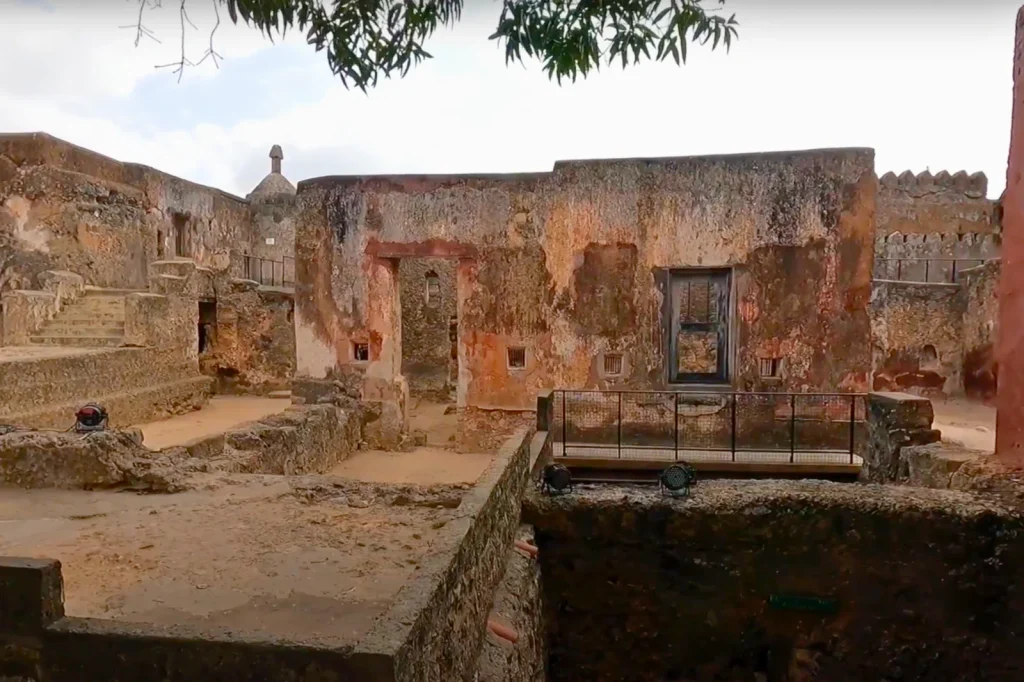
Start with a dose of history that even young children find fascinating. Fort Jesus is a coral-stone fortress built by the Portuguese between 1593 and 1596 to secure their hold on the Indian Ocean trade route, and it changed hands between Portuguese, Omani Arab, and British forces more than half a dozen times over the following three centuries. It was named a UNESCO World Heritage Site in 2011, and today its ramparts, cannon emplacements, and small museum of shipwreck artifacts and colonial-era ceramics give kids a tangible, walk-through sense of the “why” behind Mombasa’s mixed architecture and cuisine.
Practical details
- Hours: Open daily, including public holidays, with last entry roughly an hour before closing (published hours vary slightly by source, generally somewhere between 8:00 am and 6:00 pm -check same-day if your schedule is tight).
- Entrance fees: Roughly KES 200 for Kenyan citizens, KES 400 for East African residents, and around KES 1,200 for non-resident adults, with reduced children’s rates in each tier (children under 16 typically pay about half the adult rate).
- Best time to go: Early morning, between opening and 10:00 am, avoids both the heat and the tour-bus crowds.
- Duration: Budget 1-1.5 hours for the fort itself.
- Tip for families: Hire one of the official guides stationed at the entrance rather than wandering independently a good guide turns the fort from “old walls” into a proper story for kids, and it’s a modest cost split across a family group. Some evenings feature a sound-and-light show retelling the fort’s history with wall projections, which can be a fun add-on for older children who enjoyed the daytime visit.
Afterward, step straight into the narrow, shaded streets of Old Town, immediately adjacent to the fort. Carved wooden doors, spice shops, and Swahili balconies make it an easy, largely flat walk that’s manageable with a stroller, and a short stop at the spice market lets kids smell and touch cardamom, cloves, and cinnamon pods before you buy any.
2. Spend a Day at Wild Waters Mombasa
For pure, unfiltered fun, head to Wild Waters, widely regarded as Kenya’s largest water park, located on Links Road near Mamba Village. It’s built around roughly 15 water slides ranging from gentle children’s tube slides to a “fume bowl” and speed slides for older kids and adults, plus a lazy river, dedicated shallow-water kids’ zone, and dry attractions like bumper cars and arcade games.
Practical details
- Hours: Typically open 10:00 am to 6:00 pm, Tuesday through Sunday, closed Mondays (though some Mondays open during Kenyan school holidays and public holidays worth a quick call ahead).
- Entrance fees: Figures reported by recent visitors put resident slider tickets at roughly KES 1,600-1,700 and non-resident tickets slightly higher, around KES 1,800; there’s usually a lower “non-slider” rate for anyone just relaxing poolside rather than using the rides. Children under two are typically free.
- Facilities: Changing rooms, a food court (often with an Indian restaurant on-site), shaded lounging areas, and lifeguards on duty throughout.
- Tip for families: Arrive at opening to get a shaded lounger before the park fills up, and pack reef-safe sunscreen reapplication matters more here than almost anywhere else on this list, since you’ll be in direct sun and water most of the day.
3. Meet the Giraffes and Tortoises at Haller Park
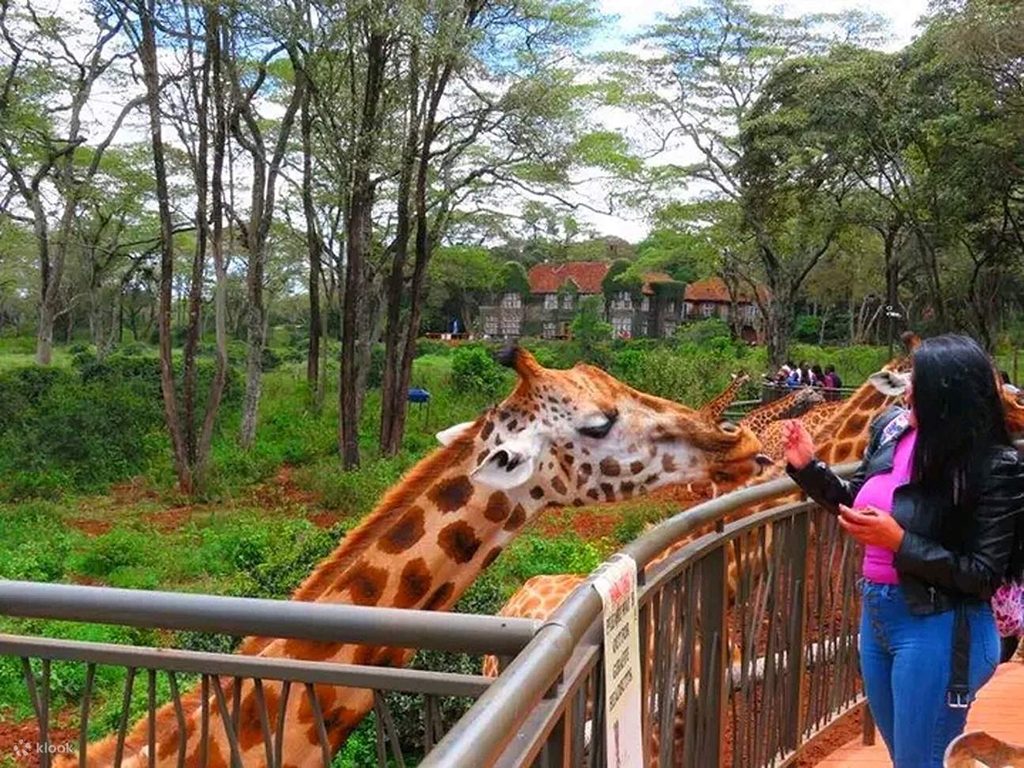
Haller Park, on the North Coast near Bamburi, is a genuine environmental success story: it began in the 1970s as an abandoned limestone quarry left behind by a cement factory and was rehabilitated into a wooded nature reserve. Today it’s home to hippos (two resident hippos, Sally and Potty, are park favorites), giraffes you can hand-feed from a raised platform, giant Aldabra tortoises, a reptile park with pythons and other native snakes, a crocodile enclosure, and an animal orphanage for rescued wildlife.
Practical details
- Entrance fees: Around KES 500 per person for residents, with separate (higher) non-resident rates; giraffe feed pellets are usually sold separately for a small extra fee.
- Best for: Younger children in particular the pace is slow, the paths are shaded and mostly flat, and the giraffe feeding is close-up and low-stress compared with a full safari vehicle experience.
- Duration: 1.5-2 hours is enough to see the main sections without rushing.
- Tip for families: Ask about giraffe feeding times when you arrive, since the giraffes are more reliably at the platform at certain points in the day, and check whether the reptile handling session (where a keeper lets children safely hold a python) is running that day- it’s one of the more memorable stops for kids old enough not to be frightened by it.
4. Get Close to Crocodiles at Mamba Village
Right next door to Wild Waters, Mamba Village is home to one of Kenya’s largest crocodile farms over a thousand Nile crocodiles across various ages and sizes alongside botanical gardens, a children’s playground, and a craft and cultural display area. Guided tours explain the crocodile life cycle, farming practices, and safety precautions in a way that keeps most children genuinely engaged rather than just scared.
Practical details
- What to expect: A structured walking tour past viewing pens, with feeding demonstrations at set times (worth asking about on arrival, since watching a supervised feeding is the highlight for most kids).
- Duration: 45 minutes to an hour for the tour itself, longer if you let the kids loose on the playground afterward.
- Tip for families: Combine this with Wild Waters or Haller Park in the same outing, since all three sit within a few minutes’ drive of each other on or near Links Road a logical cluster for one full day rather than three separate trips.
5. Relax and Play on Nyali or Bamburi Beach
Mombasa’s beaches are the heart of any family visit, and the two North Coast favorites suit slightly different families. Nyali Beach has a long, gently sloping shoreline with a wide, walkable stretch of sand at low tide, and it’s generally the calmer, more residential option — good for sunrise walks, safe wading with younger children, and quieter evenings. Bamburi Beach, a short drive further north, has more energy: camel rides along the sand, beach volleyball, and easy access to kite surfing, paddleboarding, and jet-ski rentals for teens and older kids.
Practical details
- Tides matter here: The Indian Ocean tide swings widely in Mombasa, and at low tide swimming areas can shrink to exposed reef and sandbars a fair distance from shore. Check a tide table for your stay dates (most beach resorts post one at reception) so you don’t plan a swim-heavy afternoon around low tide.
- Safety note: Stick to beaches in front of established hotels where lifeguards and reef-shoe rentals are available, and keep younger children within the reef-protected shallow water rather than swimming out past the reef break.
- Tip for families: Both beaches are lined with resorts offering day-use loungers and pools even if you’re not staying there, which is worth asking about if your own accommodation is set back from the water.
6. Snorkel or Take a Glass-Bottom Boat at Mombasa Marine National Park
Just offshore from Nyali and Bamburi, Mombasa Marine National Park protects a shallow fringing coral reef that’s one of the more accessible snorkeling sites on the Kenyan coast, with visible coral gardens, parrotfish, clownfish, and the occasional turtle sighting. Families with younger children, non-swimmers, or anyone nervous about open water can still see the reef clearly via a glass-bottom boat tour, while older kids and confident swimmers can snorkel directly over the coral with a guide.
Practical details
- Booking: Trips are typically arranged through beach-based operators or hotel tour desks rather than independently, and most run 1.5–2 hours including the boat transfer.
- What to bring: Reef-safe sunscreen is genuinely important here (regular sunscreen contributes to coral bleaching), along with a rash guard for children prone to sunburn, since you’ll be face-down in bright equatorial sun for a stretch of the trip.
- Best time to go: Morning trips generally have calmer water and better visibility before the afternoon wind picks up.
7. Take a Dhow Cruise
A traditional wooden dhow sail is a slower-paced, scenic way to see the coastline, often paired with a spot of fishing, a fresh seafood lunch cooked on board, and sometimes dolphin-spotting depending on the route. Sunset dhow cruises are especially popular with families: the gentler evening light, snacks, and calm water make it an easy sell even for children who get restless on longer boat trips.
Practical details
- Duration: Most family-oriented cruises run 2–3 hours, including the meal.
- Comfort tip: If anyone in the family is prone to seasickness, ask the operator about the specific route before booking some stay closer to sheltered water near the creek, while others head further out to open sea.
- Tip for families: Ask whether life jackets in children’s sizes are provided before you book; reputable operators carry them, but it’s worth confirming rather than assuming.
8. Visit Bombolulu Workshops and Cultural Centre
This inclusive workshop and cultural village, run by and largely staffed by people with physical disabilities, combines a craft market jewelry, textiles, wood carving with a “cultural village” of traditional homesteads representing several of Kenya’s different ethnic communities, plus scheduled traditional dance performances. It’s a genuinely educational, unhurried stop that teaches kids about Kenya’s cultural diversity while directly supporting the artisans’ livelihoods, since a significant share of craft sales goes straight back to the workshop.
Practical details
- Duration: About an hour for the guided cultural village tour, plus as much time as you like browsing the workshop and shop afterward.
- Tip for families: Dance performances typically run at set times during the day rather than continuously, so it’s worth timing your visit around one if your kids respond well to music and movement.
9. Try Go-Karting or an ATV Ride in Bamburi
For families with older children or teens looking for a bit more adrenaline between beach days, Bamburi has go-kart tracks and ATV/quad bike rentals operating close to the beach strip. It’s a good half-day activity to break up sun-and-sand time, and most operators run smaller karts or closely supervised tandem rides suitable for younger or less confident drivers.
Practical details
- Safety check first: Ask about helmet provision and minimum height/age requirements before booking, since these vary by operator and matter more for ATVs than go-karts.
- Tip for families: Book for late afternoon rather than midday the heat on an open track or unshaded ATV trail is considerably more tiring than the same activity in the early evening.
10. Day Trip to Shimba Hills National Reserve
If your family is up for a longer outing, Shimba Hills National Reserve is roughly an hour’s drive south of Mombasa and offers a compact, forested safari experience without the long transfer times required to reach Kenya’s bigger inland parks. It’s the only place in Kenya where you can reliably spot the rare sable antelope, alongside elephants, buffalo, and a genuine coastal rainforest habitat that feels distinct from the classic savanna safari. The reserve’s Sheldrick Falls are reachable via a short, guided hike (with an armed ranger, as required in this reserve) and end in a pool safe enough for a swim on a hot day.
Practical details
- Duration: A full day, including drive time plan to leave early to make the most of morning wildlife activity before the afternoon heat.
- Suitability: Better suited to families with children old enough to manage a game drive and a roughly 30-45 minute hike to the falls without needing to be carried the whole way.
- Tip for families: Book through a licensed tour operator or your hotel’s tour desk rather than arranging an independent self-drive safari, since guided vehicles know the current elephant and antelope activity areas and the falls hike requires a ranger escort by regulation.
Planning Your Days
Group the attractions by location rather than by list order to avoid unnecessary driving. Fort Jesus and Old Town pair naturally as one city-center outing. Wild Waters, Haller Park, and Mamba Village sit close enough together on the North Coast to combine into a single full day if your kids have the stamina, or split across two calmer half-days if you’d rather not overload them. Beach time, the marine park snorkeling trip, and a dhow cruise work best spread across your stay rather than stacked together, since they all involve sun and water and little ones tire of that combination faster than adults expect. Save the Shimba Hills day trip for a day when everyone’s had a full night’s sleep, since it’s the longest single outing on this list.
Mombasa’s tropical climate stays warm year-round, generally in the range of 24-32°C (75-90°F), with a wetter season roughly April through June and a drier, slightly cooler stretch from June through October that many families find more comfortable for outdoor days. Whatever the season, plan outdoor, sun-exposed activities like Fort Jesus, Haller Park, or Shimba Hills for morning or late afternoon, keep the hottest midday hours for pool or shaded lunch breaks, and carry reef-safe sunscreen, hats, and water for every outing on this list it’s the single most common thing visiting families say they wish they’d packed more of.
