
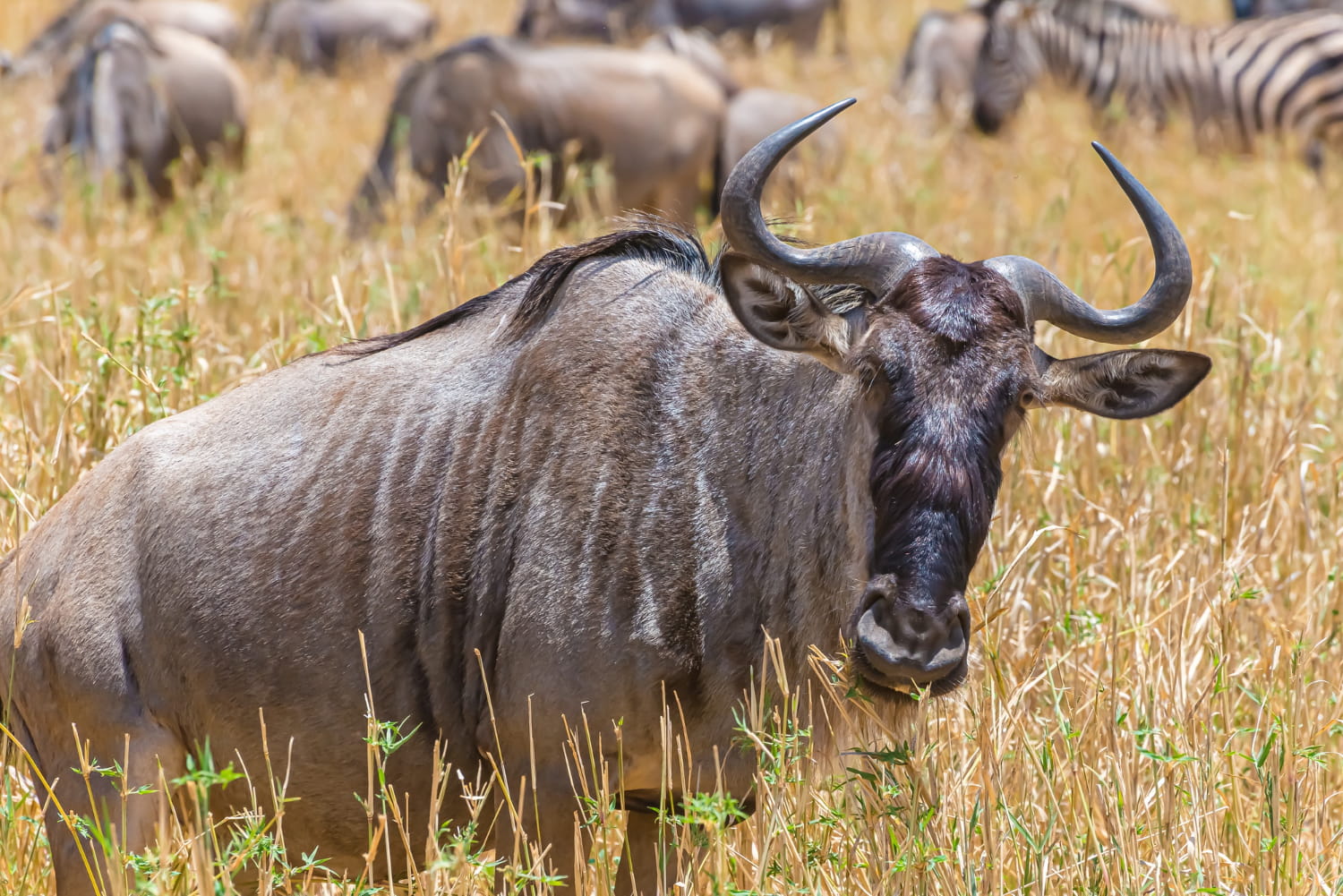
Are you still in dilemma on whether to choose Tanzania of Kenya for your Safari? Well you are the the right place!
I dont even have words to explain about our Tanzania safari Tour, which we had it planned one year prior was. It is one of the most memorable experiences that i will live to cherish.Indeed it was worth every coin!
Since that safari trip in Tanzania, we have managed to plan for 3 more and every experience is exciting and always would unleash something new.
At first, when we were planning the Tanzania safari trip, it was quite challenging for us especially in deciding where to go.It was not easy at all.That is why i have decided to share this awesome 10 days Tanzania safari itinerary with you so that you can understand clearly about everything even before you start the booking process.
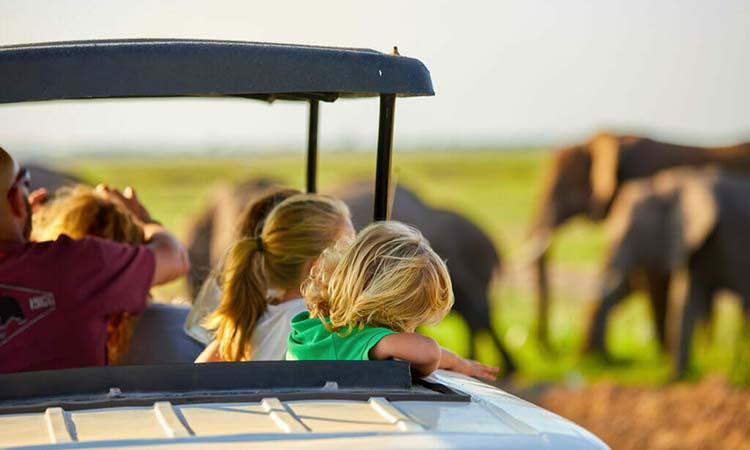
Key Highlights & Tips
- The best airport that you can use is Kilimanjaro International Airport because it is the closes airport to the Northern circuit and Arusha. Most of the local tour operators in Tanzania normally offer transfers from the airport.
- The best time to arrive for your Tanzania safari is in the morning hours – typically between 8:00 am and 1:00 pm.Arriving early means that you will be able to relax enough before your first safari.Also, you will be able to start your next day safari refreshed.
- Most of safaris have the accommodations pre-arranged in Arusha before the safari commences.This will make your safari be more relaxed especially from Jetlag and if you need to do some shopping before start of safari, then this will be the best time to do so.
- The best season for safari is July – September for the Migration, January to March if indeed you would wish to explore calving season.
10 Days Tanzania Safari Itinerary
A 10 days safari in Tanzania would normally take you to some of the most iconic parks in Tanzania for safari.If in case you might have some extra days to spend in Tanzania, then exploring the Tanzania lakes such as Manyara and cultural tours will be your best fit option.
Lake Manyara is the best park in Tanzania if you enjoy birding experiences and photography.There are over 400 bird species in Lake Manyara thus commondly reffered to as birders paradise.
Ngorongoro in the other hand is well known for its abundant wildlife with common ones being elephants, lions, rhinos, cheetahs among other big five.
Why Choose 10 Days Tanzania Safari Trip?
In most of Tanzania safari tours that i have experienced, from my previous safaris, a 10 days safari is just the best option for anyone who would wish not to have a fast paced safari.This offers a slow pace experience which allows for best wildlife experiences.
Planning for your Tanzania safari can be time consuming but always ensure that you spend more time in the parks that have rich wildlife experiences instead of having rush between parks.In so doing, it will give you the best time to spot wildlife behaviour in their natural habitats.In addition, in my experience, you will have more time to take beautiful photos for your safari without worrying about your next hundreds of Kilometers to the next park.
More Time for Wildlife Viewing
Choosing to have a 10 days Tanzania safari trip means that you will have more chance for wildlife viewing.When i was choosing my first safari, we made sure that we could stay at a particular park atleast 2-3 days.This allowed us to monitor animal movements and have ample time for wildlife viewing.
The best time to go for safari in Tanzania is normally between June- October.This is because during this time, animals would cluster along the water holes as it is dry months making it easy to spot them.
Extra Tip!
For a better logistical support, you can opt for customized private safaris rather than being in group tours.You can opt to request for full day game drives with picnic lunch so that you dont waste your day going back to the lodge for lunch.
You can also opt for fligh- in safaris on game package between the parks. This will allow you to maximize your experience for the game drives without getting tired because of transfers between the parks.
Another Pro Tip is that if you want to save more money in your safari, book the trip directly from the local tour operators.This way is way much cheaper by 30% as compared to booking with international travel agencies.This is mostly because most of international agents normally acts as brokers and will end up having the trip done by local agents.
More Time to Explore Tanzania’s Main Parks
If you opt for a 10 days Tanzania wildlife Safari, then you will have chance to explore most of Tanzania’s major parks.It is impossible to have it all of Tanzania wildlife experience in just 3-5 days but definately more days will make it possible to achieve that.While in Tanzania, the Northen circuit is a must see as the region is basically reffered to as the jewel of Tanzania.
A typical Tanzania safari would allow you to spend more time between the parks with 2-3 Days in Serengeti whereby if it will be during the great migration, you will be able to witness the crossings.
Have a one day in Ngorongoro National park where you can experience lots of wildlife including cheetah, lions, wildebeest and large herds of elephants.
You can opt to dedicate a 2 days experience at Lake Manyara National Park especially if you are planning for Tanzania safari tour during dry season when animals gather around waterholes.
Tanzania Safari At Glance
The ideal number of days to be in safari is 10+ days since it is not only a slow paced one but gives you an ample time for viewing wildlife in different parks.
As for my case, we were able to land at Kilimanjaro Airport 48hrs before the start of our Tanzania safari trip.We were warmly welcomed by our tour guide, Mr.Korir with some goodies then transfered us to our lodge in Arusha which we had booked it by ourselves.
Honestly, Korir is the best guide for your Tanzania Safari Tours.
As for the first day, we wanted it to be a little bit slower and with lesser activities thus went to Mount Meru, which is approximately 45 kilometers from Arusha just after having breakfast.
As i will be able to share below in a detailed 10 Days Tanzania safari itinerary which we used, Mr Korir was able to make multiple stops over and over as we requested which made the entire safari to be interesting and memorable one.
Starting Point:Arusha
Ending:Kilimanjaro International Airport
NB:Most of the safaris in Tanzania normally starts from Kilimanjaro International Airport due to ease of acces to all National Parks in Tanzania.
Best Parks in Tanzania for safari tour
- Tarangire National Park
- Serengeti National Park
- Ngorongoro Crater Conservation Area
- Lake Manyara National Park
Reccomended Travel Style
Budget Safaris whereby most of the accommodations are on budget with basic amenities.In addition, the game drives are mostly on shared bases therefore redusing the overal cost of safari.This category of Tanzania safari is mostly suitable for travelers who are in need of authentic experience at affordable rates.
The budget estimate for budget Tanzania safari is from $200-$350 per person.
When it comes to Mid- Range Tanzania safari, this is more comfortable and the most common that travelers from across the globe opts for.The Tanzania mid range safari offers transport mostly on private basis and is quite populare with solo travelers, families, couples and first time travelers.
The average cost of Tanzania mid range safari is approximately $350- $700 per person per day.
Tanzania Luxury Safari trip is the last category which offers safari in premium lodges and luxury safari camps.Here, you will have a more personalized safari experience with attention to detaild to your style of safari experience.If you are not a long road safari type of person, then fliy- in options are also available and is ideal for honeymooners and those who enjoys sleek custom experiences.
The average cost of Luxuy safari is approximately $700 to $1200 per person per day.
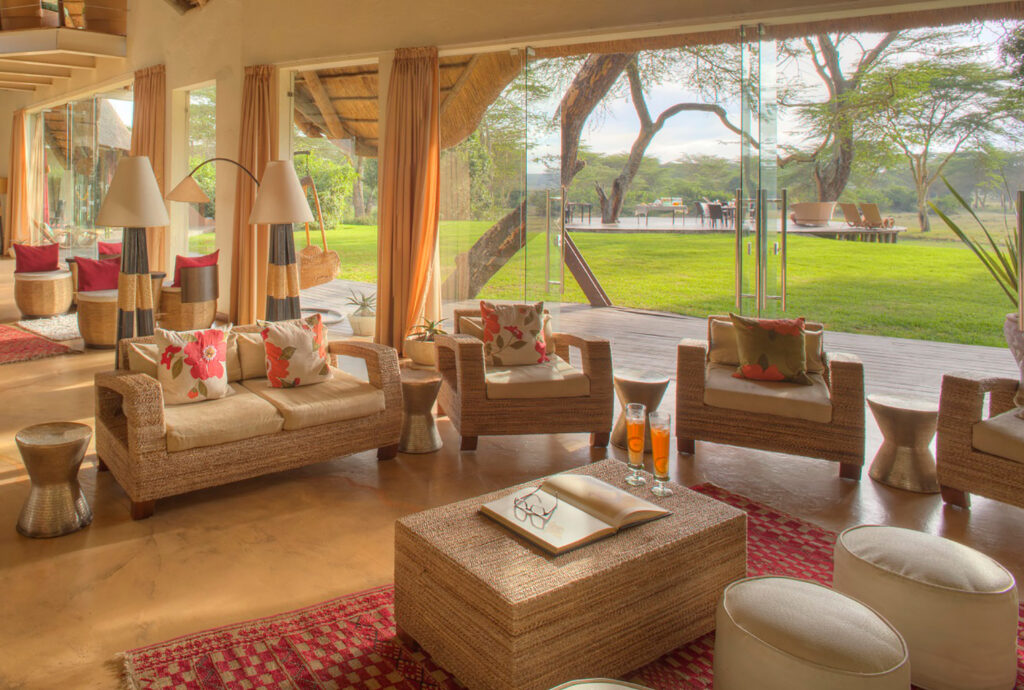
Month By Month Tanzania Safari Guide
Quick Summary of the best time to visit Tanzania
| Activity(Experience) | Month by Month Guide |
| Overall Tanzania Safari Experience | June- October(Dry Months) |
| Great Migrations & River Crossings | July- September |
| Calving Season | January- February |
| Best Weather & Skies | June – August |
| Birdwatching | November to April |
| Budget Travel | March-May |
| Climbing Kilimanjaro | Jan-March & June to October |
| Beach Holidays- Zanzibar | December-March & June- October |
Dry Season
In the month of June- October is the best month to go for safaris.This is the time when most of the wildlife are found dwindling around water holes as the vegetation at this time is sparse making it easer to spot animals.
During dry season, the days are warm and nights becomes chilly especially on high altitute zones such as Mount Kilimanjaro and Ngorongoro.
Month-by-Month Tanzania Safari Guide
Tanzania is one of Africa’s most rewarding safari destinations, offering incredible wildlife viewing, breathtaking landscapes, and diverse experiences throughout the year. From the vast plains of Serengeti National Park and the wildlife-rich Ngorongoro Crater to the elephant-filled landscapes of Tarangire National Park and the remote wilderness of Ruaha National Park, Tanzania provides unforgettable adventures in every season.
One of the most common questions travelers ask when planning a Tanzania safari is, “What is the best time to visit?” The answer depends on what you want to experience. Wildlife viewing is excellent throughout the year, but different months offer unique opportunities. Some travelers dream of witnessing the Great Migration river crossings, while others prefer calving season, birdwatching, or fewer crowds.
This month-by-month Tanzania safari guide explains what to expect during each part of the year, helping you choose the best time for your Tanzania safari adventure.
January: Calving Season Begins
January is one of the best months to visit Tanzania, especially for travelers interested in the Great Migration. During this period, large herds of wildebeest gather in the southern Serengeti and Ndutu region. The plains become filled with wildlife as thousands of animals prepare for the calving season.
Predator activity is particularly high because lions, cheetahs, leopards, and hyenas follow the migration herds. The landscape is lush and green after the short rains, creating beautiful scenery and excellent photography opportunities.
Birdwatchers also enjoy January because migratory bird species are present throughout many parks. Temperatures are generally warm, and game viewing remains excellent across the Northern Safari Circuit.
February: Peak Calving Season
February is often considered one of the most exciting months for a Tanzania safari. The wildebeest calving season reaches its peak in the Ndutu plains between Serengeti National Park and the Ngorongoro Conservation Area.
Thousands of calves are born each day, attracting numerous predators. Visitors frequently witness dramatic wildlife interactions as lions, cheetahs, and hyenas take advantage of the abundance of young animals.
The weather remains pleasant, and the green landscapes create stunning backdrops for photography. February is ideal for travelers seeking exceptional predator action and migration-related wildlife experiences.
March: Green Season Wildlife Viewing
March continues to offer excellent wildlife viewing opportunities. The migration herds remain in the southern Serengeti, and the lush vegetation creates a beautiful safari environment.
While occasional rains may occur, they rarely interfere with safari activities. Parks such as Tarangire, Lake Manyara, and Ngorongoro Crater continue to provide excellent game viewing.
March is often less crowded than peak tourist months, allowing visitors to enjoy a more peaceful safari experience while still benefiting from outstanding wildlife encounters.
April: Start of the Long Rains
April marks the beginning of Tanzania’s long rainy season. Rainfall becomes more frequent, particularly in northern Tanzania. While some travelers avoid this period, it offers several advantages.
The landscapes become incredibly green and vibrant, creating some of the most beautiful scenery of the year. Safari lodges often offer reduced rates, making April attractive for budget-conscious travelers.
Wildlife remains present throughout the parks, and fewer visitors mean quieter game drives. Birdwatching is particularly rewarding due to the abundance of resident and migratory species.
May: Quiet Parks and Excellent Value
May continues the rainy season, but it can be an excellent time for travelers seeking value and fewer crowds. The vegetation remains lush, and the countryside appears particularly beautiful.
The Great Migration begins moving northwest toward the central Serengeti. Although road conditions may occasionally be affected by rain, many safari activities continue without interruption.
Photographers often appreciate May because of the dramatic skies, green landscapes, and soft lighting conditions. Accommodation prices are generally lower than during peak safari seasons.
June: Beginning of the Dry Season
June signals the transition into the dry season and is widely considered one of the best times for a Tanzania safari. Rainfall decreases significantly, and wildlife becomes easier to locate as vegetation begins to thin.
Migration herds move through the western and central Serengeti regions. Predator sightings are common, and game viewing improves across most parks.
Tarangire National Park starts attracting large concentrations of wildlife as animals gather near permanent water sources. June offers excellent weather, comfortable temperatures, and relatively moderate visitor numbers.
July: Prime Safari Season
July is one of Tanzania’s most popular safari months. Dry conditions make wildlife viewing outstanding throughout the country. Animals concentrate around rivers, waterholes, and remaining water sources, making sightings more predictable.
The Great Migration often reaches the western Serengeti and Grumeti River areas during this period. Visitors may witness dramatic river crossings as wildebeest and zebras continue their annual journey.
The weather is generally cool and comfortable, making July an ideal month for game drives, walking safaris, and photography.
August: Migration River Crossings
August is famous for the dramatic Mara River crossings in northern Serengeti. Thousands of wildebeest attempt to cross crocodile-filled waters as they move between Tanzania and Kenya.
These crossings are among the most sought-after wildlife spectacles in Africa. Visitors may spend hours observing herds gathering along riverbanks before making their dangerous journey.
Wildlife viewing is exceptional throughout Tanzania. The dry season continues, and many parks offer excellent opportunities to see predators, elephants, buffaloes, and other iconic species.
September: Outstanding Wildlife Viewing
September remains one of the best months for a Tanzania safari. Dry conditions persist, and wildlife concentrations remain high near permanent water sources.
The migration is often found in northern Serengeti, where river crossings may still occur. Predator activity remains high, and game viewing across the Northern Safari Circuit is consistently excellent.
The pleasant weather and relatively lower crowds compared to August make September particularly attractive for many travelers.
October: End of the Dry Season
October represents the final month of the dry season. Wildlife viewing remains exceptional as animals continue to gather around limited water supplies.
Tarangire National Park is particularly rewarding during this time, with large elephant herds and diverse wildlife populations. Ruaha National Park and Nyerere National Park also offer excellent safari experiences.
Temperatures begin to rise as the season progresses, but conditions remain favorable for game viewing and photography.
November: Short Rains Return
November marks the arrival of the short rains. The first showers transform the landscape, bringing fresh vegetation and renewed life to the ecosystem.
Many migratory animals begin moving southward as they follow the rains. Birdwatching becomes increasingly rewarding as migratory species arrive from Europe and Asia.
Visitor numbers are generally lower during November, making it a good option for travelers seeking a quieter safari experience.
December: Festive Season Safaris
December is a wonderful month to visit Tanzania. The short rains typically create fresh green landscapes, while wildlife viewing remains excellent.
The Great Migration starts returning to the southern Serengeti and Ndutu areas in preparation for the upcoming calving season. This movement attracts predators and creates exciting wildlife viewing opportunities.
December combines pleasant weather, beautiful scenery, abundant wildlife, and festive holiday travel. It is one of the most popular months for families, couples, and safari enthusiasts.
Best Time for a Tanzania Safari
Tanzania offers outstanding safari experiences throughout the year. Travelers seeking migration river crossings should consider July through October, while those interested in calving season should visit between January and March. The dry season from June to October generally provides the most consistent wildlife viewing, while the green season offers beautiful scenery, fewer crowds, and excellent value.
No matter when you choose to visit, Tanzania delivers unforgettable wildlife encounters, stunning landscapes, and some of the finest safari experiences in Africa. With careful planning and the right itinerary, every month can provide a remarkable adventure in this extraordinary destination.
10-Day Tanzania Safari Package
A Tanzania Safari Package offers one of the most rewarding wildlife experiences in Africa. Tanzania is home to some of the continent’s most famous national parks and conservation areas, making it a dream destination for nature lovers, photographers, and adventure seekers. The country boasts vast landscapes ranging from open savannahs and volcanic craters to forests, lakes, and rolling highlands. These diverse habitats support an extraordinary variety of wildlife, including the Big Five—lion, leopard, elephant, buffalo, and rhino.
One of the greatest attractions of Tanzania is the opportunity to experience world-class safari destinations within a single journey. Visitors can witness huge elephant herds in Tarangire National Park, search for tree-climbing lions in Lake Manyara National Park, explore the endless plains of Serengeti National Park, and descend into the spectacular Ngorongoro Crater. Each destination offers unique landscapes and wildlife encounters, ensuring that no two days of the safari are the same.
This 10-day Tanzania Safari Package has been carefully designed to provide travelers with an immersive wildlife experience while maintaining a comfortable pace. Guests enjoy professionally guided game drives, comfortable accommodations, breathtaking scenery, and opportunities to learn about Tanzania’s rich ecosystems and cultural heritage. Whether you are visiting Africa for the first time or returning for another safari adventure, this itinerary showcases the very best of Tanzania’s Northern Safari Circuit.
From sunrise game drives across wildlife-filled plains to evenings spent under star-filled African skies, every moment creates memories that last a lifetime. This journey is more than a holiday; it is an opportunity to connect with nature and experience one of the world’s most remarkable wildlife destinations.
Day 1: Arrival in Arusha
Your Tanzania Safari Package begins with your arrival at Kilimanjaro International Airport, one of East Africa’s main gateways for safari travelers. Upon arrival, you will be warmly welcomed by your safari representative and transferred to your hotel in Arusha, a vibrant city situated at the foot of Mount Meru. The drive to the hotel offers your first glimpse of Tanzania’s beautiful landscapes and everyday life.
Arusha serves as the starting point for most safaris in northern Tanzania. The city is surrounded by fertile farmland, coffee plantations, and stunning mountain views. Depending on your arrival time, you may have the opportunity to relax at the lodge, enjoy the gardens, or explore some of the local attractions. Many visitors choose to visit local craft markets where they can browse handmade souvenirs, traditional artwork, and locally produced goods.
The first day is designed primarily for relaxation and preparation. Long international flights can be tiring, and taking time to rest ensures you are refreshed and ready for the adventure ahead. Most safari lodges in Arusha provide comfortable accommodation, excellent dining, and peaceful surroundings that help guests unwind before heading into the wilderness.
During the evening, your safari guide will conduct a briefing to explain the itinerary, discuss safety guidelines, and answer any questions about the upcoming journey. This is an excellent opportunity to learn more about Tanzania’s wildlife, climate, and safari experiences.
As the sun sets over the city and the silhouette of Mount Meru appears on the horizon, excitement begins to build for the days ahead. Your overnight stay in Arusha marks the beginning of an unforgettable Tanzania Safari Package that will take you through some of Africa’s most celebrated wildlife destinations.
Day 2: Arusha to Tarangire National Park
After an early breakfast, depart Arusha and begin your journey to Tarangire National Park, one of Tanzania’s most impressive wildlife destinations. The drive takes you through rural villages, agricultural landscapes, and scenic countryside that provide a glimpse into daily life in Tanzania. As you approach the park, the landscape gradually changes, revealing the iconic baobab trees and open savannahs that characterize Tarangire.
Tarangire National Park is famous for its large elephant populations. It is common to encounter herds of elephants moving gracefully across the plains or gathering near the Tarangire River. During the dry season, the river becomes a vital water source, attracting a remarkable concentration of wildlife. This makes Tarangire one of the best parks in Tanzania for game viewing.
Upon entering the park, you will begin your first game drive. Keep your eyes open for lions resting beneath acacia trees, giraffes feeding on treetops, zebras grazing in open grasslands, and buffaloes roaming the plains. The park is also home to leopards, cheetahs, wildebeests, impalas, and many other species.
Bird lovers will appreciate Tarangire’s rich birdlife, with hundreds of species recorded throughout the park. The varied landscapes provide excellent opportunities for photography, particularly during the golden afternoon light.
After a rewarding day of wildlife viewing, continue to your lodge or tented camp where you can relax and enjoy dinner while listening to the sounds of the African wilderness.
Day 3: Full-Day Safari in Tarangire National Park
Today is dedicated entirely to exploring Tarangire National Park. An early morning game drive provides the best chance to witness predators while they are still active. Lions often hunt during the cooler hours of the day, while leopards may be spotted resting in trees after a successful hunt.
The park’s diverse habitats support a wide variety of wildlife. Open grasslands, seasonal swamps, woodlands, and river systems create ideal conditions for numerous animal species. Throughout the day, your guide will navigate different areas of the park in search of wildlife and explain the behavior and ecology of the animals you encounter.
One of the highlights of Tarangire is its impressive elephant population. Large family groups can often be seen interacting, feeding, and bathing near water sources. Watching these intelligent animals in their natural environment is an unforgettable experience.
The park is also known for its massive baobab trees, some of which are hundreds of years old. These ancient giants dominate the landscape and create excellent photographic subjects.
A picnic lunch in the park allows you to spend more time exploring without interruption. During the afternoon, continue your search for wildlife and enjoy the beauty of the surrounding scenery. As the day comes to an end, return to your lodge with memories of another incredible safari experience.
Day 4: Tarangire to Lake Manyara National Park
After breakfast, depart Tarangire and travel to Lake Manyara National Park. Although smaller than many of Tanzania’s national parks, Lake Manyara offers an extraordinary variety of habitats and wildlife within a compact area.
Situated beneath the dramatic escarpment of the Great Rift Valley, the park is known for its lush groundwater forests, open grasslands, marshes, and the alkaline lake that gives the park its name. These varied environments support an impressive range of wildlife species.
One of the most famous attractions of Lake Manyara is its population of tree-climbing lions. While sightings are never guaranteed, the park remains one of the few places in Africa where lions are regularly observed resting in tree branches.
As you explore the park, you may encounter elephants moving through the forest, troops of baboons along the roads, giraffes browsing in open areas, and hippos resting in shallow pools. The lake attracts thousands of birds, including flamingos, pelicans, storks, and herons.
The scenic beauty of Lake Manyara is one of its greatest attractions. The combination of forests, cliffs, water, and wildlife creates a unique safari atmosphere that differs from the open plains found elsewhere in northern Tanzania.
After your game drive, continue to your lodge for dinner and overnight accommodation near the Ngorongoro Highlands.
Day 5: Lake Manyara to Serengeti National Park
Today you travel to one of Africa’s most famous wildlife destinations, Serengeti National Park. The journey itself is part of the adventure as you pass through the beautiful Ngorongoro Highlands and enjoy breathtaking views of the surrounding landscapes.
As you enter the Serengeti, the scenery transforms into vast open plains stretching as far as the eye can see. The name Serengeti comes from the Maasai language and means “endless plains,” a fitting description of this extraordinary ecosystem.
Wildlife sightings often begin immediately after entering the park. Herds of zebras and wildebeests roam across the grasslands, while giraffes move gracefully among scattered acacia trees. Predators such as lions and cheetahs are never far away.
The Serengeti is renowned for supporting one of the highest concentrations of wildlife in Africa. It is also the stage for the Great Migration, one of the most remarkable natural events on Earth.
After lunch, enjoy an afternoon game drive as you explore the central Serengeti. Your guide will search for wildlife and take you to areas where animal activity is highest. As the sun begins to set, the plains take on a golden glow, creating spectacular photography opportunities.
Arrive at your camp or lodge in the evening and enjoy dinner surrounded by the sounds of the African wilderness.
Day 6: Full-Day Safari in Serengeti National Park
A full day in the Serengeti allows for extensive exploration of this world-famous park. Early morning game drives often produce some of the most exciting wildlife encounters because predators are usually active before temperatures rise.
The Serengeti is home to large populations of lions, cheetahs, leopards, hyenas, and jackals. Watching these predators interact with their environment provides fascinating insights into the natural world.
Large herds of wildebeests, zebras, and gazelles roam the plains in search of grazing opportunities. Depending on the time of year, you may witness sections of the Great Migration, where millions of animals move across the ecosystem following seasonal rains.
Your guide will use local knowledge and wildlife tracking skills to locate animals and maximize viewing opportunities throughout the day. Every game drive offers something different, making each safari experience unique.
Lunch is enjoyed in the bush, allowing you to spend more time immersed in the Serengeti environment. During the afternoon, continue exploring different areas of the park and observing the remarkable diversity of wildlife that calls the Serengeti home.
Return to your accommodation in the evening for dinner and relaxation.
Day 7: Another Day in the Serengeti
Today provides another opportunity to explore the Serengeti’s incredible wildlife and landscapes. Because the park covers a vast area, different regions offer distinct experiences and wildlife concentrations.
Some areas are known for large predator populations, while others are famous for huge grazing herds. Your guide will select the best routes based on recent wildlife movements and seasonal conditions.
For those seeking a truly unforgettable experience, an optional hot air balloon safari can be arranged. Floating above the Serengeti at sunrise offers breathtaking views of the plains and wildlife below. The peaceful experience provides a unique perspective on this remarkable ecosystem.
Throughout the day, expect encounters with elephants, buffaloes, giraffes, wildebeests, zebras, and numerous bird species. The Serengeti’s endless horizons and abundant wildlife make it one of the most rewarding safari destinations in Africa.
As the day comes to a close, enjoy another spectacular African sunset before returning to camp. Evenings in the Serengeti are often filled with the sounds of distant lions roaring and other wildlife moving through the darkness.
Day 8: Serengeti to Ngorongoro Conservation Area
After breakfast, enjoy a final morning game drive in the Serengeti before departing for the Ngorongoro Conservation Area. Wildlife sightings continue throughout the journey, making travel days just as exciting as full safari days.
The route passes through beautiful landscapes characterized by rolling hills, forests, and traditional Maasai settlements. Along the way, you may encounter Maasai herders tending cattle against the backdrop of Tanzania’s stunning scenery.
Arriving at the rim of the Ngorongoro Crater is often one of the most memorable moments of the safari. The vast caldera stretches below, creating a breathtaking panorama that leaves many visitors speechless.
Ngorongoro is the world’s largest intact volcanic caldera and supports an extraordinary concentration of wildlife within its boundaries. The fertile crater floor provides year-round food and water for many species.
Spend the evening relaxing at your lodge while enjoying spectacular views of the crater. The cool highland climate and beautiful surroundings create a peaceful atmosphere before the next day’s adventure.
Day 9: Full-Day Safari in Ngorongoro Crater
Today you descend approximately 600 meters into the Ngorongoro Crater for one of the most rewarding wildlife experiences in Africa. The crater floor contains grasslands, swamps, forests, and lakes that support an exceptional variety of wildlife.
Because animals rarely leave the crater, wildlife viewing is excellent throughout the year. Visitors frequently encounter lions, buffaloes, zebras, wildebeests, hyenas, jackals, and hippos during a single game drive.
The Ngorongoro Crater is also one of the best places in Tanzania to spot the endangered black rhino. Conservation efforts have helped maintain a healthy population within the protected environment of the crater.
The scenery is equally impressive. Towering crater walls surround the landscape, creating a natural sanctuary unlike any other in Africa. Every direction offers spectacular views and opportunities for photography.
A picnic lunch near a hippo pool allows you to relax and enjoy the beauty of the crater before continuing your exploration. Throughout the afternoon, your guide will search for additional wildlife and share information about the unique ecology of the area.
In the late afternoon, ascend the crater walls and return to your lodge for dinner and overnight accommodation.
Day 10: Ngorongoro to Arusha and Departure
After breakfast, begin your journey back to Arusha. The drive provides a final opportunity to admire Tanzania’s landscapes and reflect on the incredible experiences of the past ten days.
As you travel through villages and farmlands, you gain a deeper appreciation for the country’s cultural diversity and natural beauty. Depending on your flight schedule, there may be time to visit local markets, purchase souvenirs, or enjoy lunch in Arusha before your airport transfer.
This final day marks the conclusion of an unforgettable Tanzania Safari Package that has taken you through some of Africa’s most celebrated wildlife destinations. From the elephant-filled landscapes of Tarangire and the scenic beauty of Lake Manyara to the endless plains of the Serengeti and the remarkable Ngorongoro Crater, every destination has contributed to an extraordinary safari experience.
As you depart Tanzania, you leave with lasting memories of incredible wildlife encounters, breathtaking scenery, and the warm hospitality that makes Tanzania one of Africa’s premier safari destinations.
